


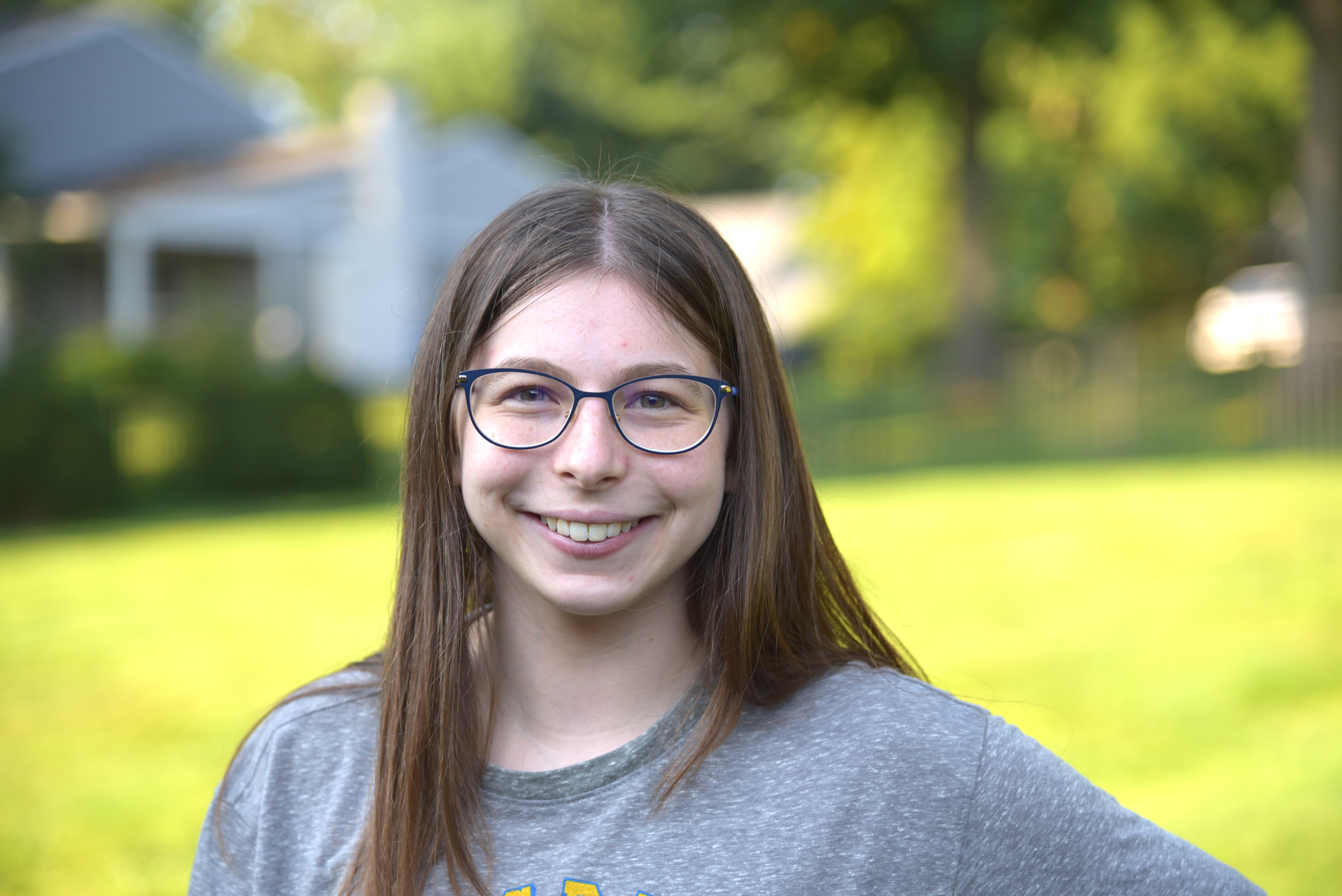


Hi! My name is Alison Ross, and I am a junior molecular biology major in the David C. Frederick Honors College (FHC). Currently, I am enrolled in the Honors Degree, but I hope to switch to a BPhil. In addition to my major, I am pursuing chemistry and bioengineering minors, as well as the Conceptual Foundations of Medicine Certificate. My plan is to attend medical school after graduation in hopes of becoming an oncologist. If all goes as planned, I’ll be practicing medicine while also pursuing some translational and clinical research. A fun fact about me is that I am on Pitt’s club archery team, which serves as a great break from all my pre-med activities.
This semester, you get to join me on my Chancellor’s Undergraduate Research Fellowship (CURF) journey as I work with Dr. Michael Lotze on characterizing the diversity of immune cells in patients with a specific kidney cancer called renal cell carcinoma. Our immune systems have two overarching categories of cells (T and B cells) that fight specific, as opposed to general, disease-causing particles. These can be the types of microbes we are used to hearing about causing illness – viruses and bacteria – but also cancer cells. Each T or B cell is specific for a specific trigger molecule. These cells also have characteristic proteins that help us categorize them into seven classifications. On the T cells, we have Vα, Vβ, Vγ, and Vδ receptors, and on the B cells, we have IgH, Igκ, and Igλ receptors. Characterizing and quantifying the diversity of the receptors within these seven categories is important in predicting whether immunotherapies will work (the higher the diversity the more likely we believe the treatment will work). In addition to analyzing diversity, we also are interested in developing an algorithm that would be applicable to new patients. The growing field of cancer immunotherapeutics is showing great promise in modern cancer treatment, so understanding changes in the immune repertoire can inform doctors on whether (or which one of) these drugs are the best course of action.
As an aspiring physician-scientist, the CURF opportunity provided to me by the FHC will help me gain substantial foundational and practical knowledge that will help me prepare for my future training as a scientist, while also giving me insight into the field of medicine I aim to pursue. Not to mention that this can be expanded on for my BPhil project. This is also simply an interesting topic that I would love to continue learning about throughout this endeavor and beyond.