


Coming to India to explore healthcare, I knew that practices would be different from home; however, I never imagined how vast those differences would be. Shadowing at the Landour Community hospital was an incredibly valuable and impactful experience. Getting to see the differences in resources, patient care, and forms of treatment was fascinating, especially having clinical experiences in both the United States and Kenya to compare it to. The most glaring difference from the hospitals that I have worked in within the U.S is the hygiene practices. Walking to the operating room and seeing flip flops was one of the most jarring moments of this trip. Even just walking into patient rooms at home requires gloves, goggles, masks, face shields, etc., so seeing that lack of PPE was definitely a momentary surprise.
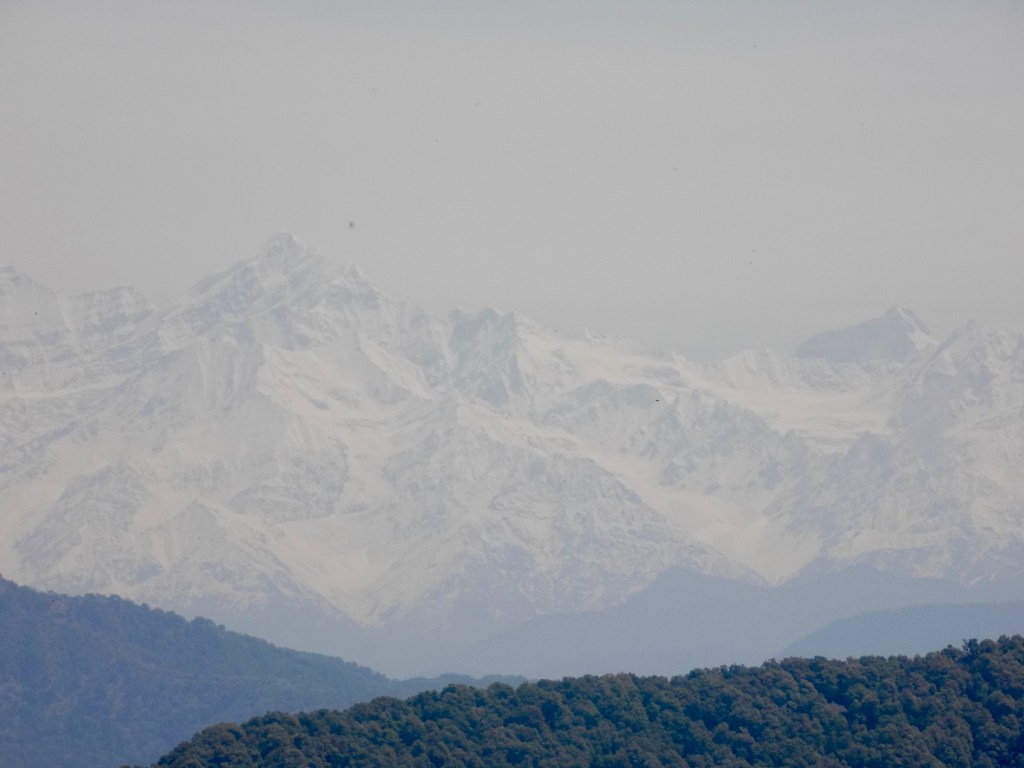
Additionally, when I have completed wound packing or dressing changes in a hospital setting, it is a sterile procedure and each person touching the patient must have sterile gloves on and keep clear of the designated sterile field. During my clinical day, I watched a sterile dressing change where the nurse was wearing non-sterile gloves while changing and packing a wound and other nurses/practitioners were touching the patient with their bare hands. The lack of resources in the community hospital compared to the amount of medical waste that occurs during a single shift at UPMC Presbyterian is truly astounding, especially because LCH is a private hospital and likely has more resources than publicly funded government hospitals that are free to the public. While the equipment used at home keeps patients and practitioners safe it also creates massive amounts of waste and one of the other differences that was jarring was the quantity of garbage we saw around Mussoorie.
I have personally never had to worry about where or when I was going to be able to use a restroom in my own home. It is an incredible privilege that before this trip I had never considered sanitation a human right. The ways in which social status and economic prosperity influence sanitation are both vastly different and yet still similar to the United States. Within the caste system, the caste a person is born into defines which jobs are available for them to pursue, including a low caste person being forced to pursue a questionably legal job in sanitation work; however, while the United states does not have a caste system, maintenance and “unskilled” labor jobs typically fall on those from low socioeconomic backgrounds and they are perceived as of a lower status than those with more white collar jobs. The statistics on lower caste people and sanitation workers dying 50-20 years younger than the national average is a glaring social inequity, especially because the Indian Government has no regulations/laws on the management of fecal sludge management. In addition to this disparity, the number of children and adults dying from diarrheal disease, many of which are preventable with vaccination like cholera and typhoid, within a public healthcare system which provides free medical care was also surprising to me. I understand that the water in India is not good drinking water, so there are bound to be an increase in deaths from waterborne illnesses and diarrheal disease; however, the numbers of deaths from diseases preventable with vaccination in a country where free vaccination is publicly accessible was eye-opening.


